



On March 30, 2026, Governor Mikie Sherrill signed P.L.2026, c.6 into law. The law makes permanent the independent practice authority of certain advanced practice nurses (APNs) who provide primary or behavioral health care. The law allows qualifying APNs to prescribe medications without joint protocols with collaborating physicians.
Specifically, the law permits an APN who is authorized to practice advanced practice nursing within a population focus of family or individual across the lifespan, adult gerontology, pediatrics, women’s health, or behavioral health to practice without a joint protocol with a collaborating physician, provided that the APN has more than 5,000
hours of licensed, active, advanced nursing practice in a role with the applicable population focus, the APN is providing primary health care or behavioral health care, and the APN is not providing health care services in the areas of general obstetrics, elective aesthetic services or cosmetic services. The law allows APNs in the permitted practice areas to prescribe medications, including medical cannabis, independently as long as they do so in accordance with the New Jersey Board of Nursing regulations.
Importantly, the law includes a grace period for certain APNs. If an APN reaches 5,000 hours of licensed, active, advanced nursing practice within 12 months of the law’s enactment, the APN may continue practicing without a joint protocol. However, if an APN has fewer than 5,000 hours within 12 months of the law’s enactment, the APN may continue practicing without a joint protocol for only six months, after which the APN must establish a joint protocol with a collaborating physician. Any hours of practice without a joint protocol during this grace period would count toward the 5,000 hour requirement.
For more information, contact:
John D. Fanburg | 973.403.3107 | jfanburg@bracheichler.com
Edward Hilzenrath, HLU Editor | 973.403.3114 | ehilzenrath@bracheichler.com
Vanessa Coleman | 973.364.5208 | vcoleman@bracheichler.com
Effective April 18, 2026, certain requirements regarding observer training and qualifications went into effect. On October 20, 2025, the Board amended its longstanding observer regulation to strengthen patients’ rights and clarify licensee responsibilities when an observer is present during breast, pelvic, genital, and rectal examinations. While much of the amended regulation took effect on October 20, 2025, the observer training and qualification requirements went into effect on April 18, 2026. The regulation applies to all locations where licensees provide services, other than a health care facility licensed by the New Jersey Department of Health.

As of April 18, 2026, a qualified observer must have provided the licensee with documentation of successful completion of the CP-2 training course for as-needed chaperones (or a course of comparable scope and rigor approved by the Board) and a written affirmation that the individual has not been subject to discipline or civil or criminal liability for failure to report misconduct or been convicted of certain disqualifying criminal offenses. An observer may not be a friend or relative of the licensee or the patient, although this does not prevent a patient’s friend or relative from being present at the patient’s request. A licensee must inform the observer in writing that the observer must remain in the exam room and be free from distractions, maintain a clear line of sight to the examination, report any suspected misconduct to the Board, and that the licensee shall not retaliate against the observer for reporting any suspected misconduct.
For more information, contact:
John D. Fanburg | 973.403.3107 | jfanburg@bracheichler.com
Edward Hilzenrath, HLU Editor | 973.403.3114 | ehilzenrath@bracheichler.com
Erika R. Marshall | 973.364.5236 | emarshall@bracheichler.com
On March 19, 2026, the New Jersey Department of Health issued a memo, entitled “Requirement to Produce All Requested Documentation”, reiterating to all licensed healthcare facilities the obligation to produce documentation upon request by the Department in accordance with its oversight and regulatory authority. Pursuant to the Health
Care Facilities Planning Act, the Department is authorized to inspect healthcare facilities and require the submission of reports and information necessary to effectuate the Act’s purposes.
The Department’s memo clarifies that the Federal Patient Safety and Quality Improvement Act of 2005 (PSQIA) does not preempt state or federal reporting obligations and does not relieve licensed facilities of the obligation to comply with such reporting requirements. Pursuant to the PSQIA, patient safety work product, i.e., materials developed exclusively for reporting to a Patient Safety Organization, remain privileged. However, documents required to be maintained or reported under state or federal laws, such as adverse event reports, infection control reports, licensure and certification documentation, patient care records, and other materials necessary for regulatory oversight, do not qualify as patient safety work product and must be disclosed to the Department upon request. The Department also emphasizes that disclosures of protected health information to the Department are permitted under HIPAA without patient authorization where the Department is acting in accordance with its oversight and regulatory authority.
For more information, contact:
Caroline Patterson | 973.364.5233 | cpatterson@bracheichler.com
Edward J. Yun | 973.364.5229 | eyun@bracheichler.com
Vanessa Coleman | 973.364.5208 | vcoleman@bracheichler.com

In her inaugural budget address, New Jersey Governor Mikie Sherrill identified pharmacy benefit manager (PBM) reform as a key priority for her administration. Governor Sherrill described PBMs as “shadowy middlemen” operating between insurers, drug manufacturers, and pharmacies, asserting that PBM practices can significantly inflate medication costs, potentially by as much as tenfold, through mechanisms such as “secret” manufacturer rebates. Governor Sherrill indicated that enhanced transparency requirements and increased regulatory oversight of PBMs could generate approximately $20 million in savings for the State’s Medicaid program. According to
Governor Sherrill, PBMs also harm independent pharmacists, dictating copays and pocketing reimbursements. Governor Sherrill also endorsed ongoing legislative efforts to address skyrocketing prescription drug costs within New Jersey’s Medicaid program. The Patient and Provider Protection Act, currently under review in the New Jersey General Assembly, would impose new transparency and accountability requirements on PBMs. Key provisions would require PBMs to pass through manufacturer rebates to health plans, prohibit patient steering to PBM-affiliated pharmacies, and mandate a transparent, flat-fee compensation model tied to services rendered.
For more information, contact:
Caroline Patterson | 973.364.5233 | cpatterson@bracheichler.com
Jonathan J. Walzman | 973.403.3120 | jwalzman@bracheichler.com
Rebecca Falk | 973.364.8393 | rfalk@bracheichler.com


On March 30, 2026, The Joint Commission announced the launch of a new suite of outcomes-driven certifications for hospitals and other healthcare organizations. According to the announcement, the first two certifications will focus on perinatal care and cardiac surgeries and procedures, clinical areas identified as high priority due to their significant impact on patient outcomes and community health. These new certifications build on existing programs by incorporating outcomes-based performance measures, benchmarking, and structured learning collaboratives. Unlike traditional certification models that primarily emphasize compliance with process-based standards, the outcomes-driven approach is designed to recognize organizations that demonstrate consistently strong clinical results. According to The Joint Commission, the new certifications aim to support provider improvement through data-driven insights while offering patients, purchasers, and payers more transparent and meaningful indicators of quality based on actual outcomes. This shift signals a broader move toward value-based evaluation in accreditation, with an increased focus on measurable results rather than process alone.
For more information, contact:
John D. Fanburg, Chair | 973.403.3107 | jfanburg@bracheichler.com
Jonathan J. Walzman | 973.403.3120 | jwalzman@bracheichler.com
Andrew M. Kuder | 973.403.3141 | akuder@bracheichler.com

On February 27, 2026, the Centers for Medicare & Medicaid Services (CMS) implemented a temporary nationwide moratorium on new Medicare enrollments for certain durable medical equipment, prosthetics, orthotics, and supplies (DMEPOS) suppliers. The moratorium does not impact existing enrolled DMEPOS suppliers. The moratorium is intended to address ongoing concerns about fraudulent billing and program abuse within the DME sector. The moratorium will remain in effect for 6 months and CMS may extend the moratorium in 6 month increments if CMS determines it is necessary to do so. During the moratorium period, CMS will pause approval of new supplier enrollments while it strengthens oversight and monitoring efforts aimed at preventing improper payments and protecting the integrity of the Medicare program. Each individual state will determine whether a form of the DMEPOS moratorium is appropriate for their respective Medicaid and CHIP programs. Further, CMS is soliciting input from stakeholders on additional ways CMS can prevent fraud under CMS’s Comprehensive Regulations to Uncover Suspicious Healthcare (CRUSH) initiative.
For more information, contact:
Joseph M. Gorrell | 973.403.3112 | jgorrell@bracheichler.com
Edward J. Yun | 973.364.5229 | eyun@bracheichler.com
Cynthia J. Liba | 973.403.3106 | cliba@bracheichler.com
On March 31, 2026, a federal district court struck down a 2013 policy issued by the Health Resources and Services Administration (HRSA) that restricted certain 340B hospitals’ ability to use group purchasing organizations (GPOs) for initial purchases of covered outpatient drugs. The policy required those hospitals to make initial purchases at non-340B, non-GPO prices, effectively prohibiting the use of both 340B pricing and GPO arrangements for such purchases. The policy was initially adopted to address concerns about potential diversion and duplicate discounts.
The case was brought by a technology and supply chain company that operates a GPO, which argued that the policy was arbitrary and capricious because HRSA failed to adequately explain its basis as required under the Administrative Procedure Act (APA). The court agreed, concluding that HRSA did not provide a reasoned explanation for the policy as required under the APA. Although the decision eliminates the current restriction, it leaves open the possibility that HRSA could revisit the issue and adopt a similar policy in the future.
For more information, contact:
Keith J. Roberts | 973.364.5201 | kroberts@bracheichler.com
Shannon Carroll | 973.403.3126 | scarroll@bracheichler.com
Paul J. DeMartino, Jr. | 973.364.5228 | pdemartino@bracheichler.com
On March 4, 2026, the U.S. Department of Health and Human Services, Office of Inspector General (OIG) issued a favorable Advisory Opinion approving a multiphase succession plan involving the transfer of ownership interests in a Medicare-certified ambulatory surgical center (ASC) by a retiring physician to his immediate family members. Specifically, the advisory opinion analyzed whether the transfers of ownership interest by the retiring physician first to his non-physician wife and then to their two physician children, would be prohibited under the Anti-Kickback Statute (AKS) and the civil monetary penalty law (CMPL). The OIG acknowledged that the succession plan could technically trigger anti-kickback concerns, as the physician investors would hold ownership interests in the ASC while also referring patients to the ASC. Despite this, the OIG concluded the arrangement presented a low risk of fraud and was permissible for several important reasons, including:

• The Arrangement Was a Bona Fide Estate Plan. The OIG emphasized that the succession plan was a genuine estate planning strategy, not a scheme to reward referrals.
• Fair Market Value Purchases. Purchases of shares would be made at fair market value as determined by an independent valuation firm.
• Safeguards Upon Retirement. The retiring physician would provide a written certification that he would not directly or indirectly influence referrals to the ASC; he would not formally transfer his patients to his physician children, and would not maintain any administrative or governance role upon retirement.
For more information, contact:
Lani M. Dornfeld, CHPC | 973.403.3136 | ldornfeld@bracheichler.com
Richard B. Robins | 973.447.9663 | rrobins@bracheichler.com
Cynthia J. Liba | 973.403.3106 | cliba@bracheichler.com
On February 12, 2026, the United States Department of Health and Human Services, Office of Inspector General (OIG) issued a favorable Advisory Opinion regarding a proposal by a management services organization (MSO) that currently provides management services to four urgent care centers. Under the proposed arrangement, the MSO would own and operate an independent clinical laboratory that would provide laboratory testing for the urgent care centers.
Under the proposed arrangement, the laboratory would not be owned or operated by any individuals or entities in a position to refer laboratory testing to it. The laboratory would bill payors, including Federal health care programs, directly for its services and would not bill the urgent care centers or other providers. Providers at the urgent care centers would not receive compensation tied to the volume or value of tests ordered. Patients would receive written notice of the relationship and could choose an unaffiliated laboratory, and the urgent care centers’ electronic health record system would allow providers to order tests from multiple laboratories.
The OIG determined that the Federal Anti-Kickback Statute (AKS) would not be implicated because neither the MSO nor the laboratory would pay any remuneration to any individual or entity to induce the referral of specimens to the laboratory for testing. The OIG noted that it is aware of several types of abusive arrangements in which management services organizations own or are affiliated with laboratories and funnel kickbacks, directly or indirectly, to providers and suppliers in exchange for referrals. Such arrangements violate the AKS if the requisite intent to induce referrals is present.
For more information, contact:
Caroline Patterson | 973.364.5233 | cpatterson@bracheichler.com
Edward J. Yun | 973.364.5229 | eyun@bracheichler.com
Vanessa Coleman | 973.364.5208 | vcoleman@bracheichler.com
The Federal Trade Commission announced on April 23, 2026 that it has reached an agreement in principle with U.S. Anesthesia Partners (USAP) to settle a long-running antitrust lawsuit accusing the company of monopolizing anesthesia services across Texas. The FTC’s original complaint, filed in 2023, alleged that USAP—backed by private equity firm Welsh, Carson, Anderson & Stowe—spent more than a decade buying up nearly every large anesthesia practice in the state in a so-called “roll-up” scheme, ultimately giving it the leverage to charge higher prices and costing Texans tens of millions of dollars more each year for anesthesia care. According to the FTC, the rollup swept in more than a dozen practices, roughly 1,000 doctors, and 750 nurses, leaving USAP with market shares ranging from about 44% to 70% in major metro areas like Houston, Dallas, and Austin.

The specific terms of the deal are being kept confidential for now to give USAP time to carry out the required changes, but the FTC says the settlement, if fully implemented, will “restore a competitive market structure” in Texas—and warned that if USAP fails to follow through, the agency will return to court to resume the case. USAP, which denies wrongdoing, said it agreed to settle to avoid further costly litigation and stay focused on patient care. The case is being viewed as a signal to private equity investors and large physician groups nationwide that regulators are now prepared to challenge serial “stealth” acquisitions of physician groups.
For more information, contact:
John D. Fanburg, Chair | 973.403.3107 | jfanburg@bracheichler.com
Edward Hilzenrath, HLU Editor | 973.403.3114 | ehilzenrath@bracheichler.com
The “Privacy Protection Act” was signed into law on March 25, 2026. The Act prohibits government entities and health care facilities from requesting or collecting information relating to a person’s immigration status, citizenship status, place of birth, Social Security number, or individual taxpayer identification number, except when necessary to assess eligibility for, or to provide or administer, a public
service, benefit, program, or professional qualification or license, or as otherwise required by State or federal law. Any such information collected for that limited purpose is treated as confidential, is not available under the Open Public Records Act, and may only be disclosed as required by law, pursuant to a valid judicial order or judicial warrant, or with the knowing written consent of the individual. The health care facility provisions of the Act take effect on April 1, 2027.
On March 23, 2026, the New Jersey Assembly passed Assembly Bill A948, which would require the New Jersey Department of Health to conduct a comprehensive survey and analysis of antenatal and prenatal care clinics throughout the State. The survey would evaluate the effectiveness and availability of maternity, antenatal, and prenatal care services, including data from clinics that have closed or substantially ceased operations within the two-year period prior to the effective date of the Bill. Data collected through the survey would be used to identify local and Statewide trends and disparities in care and to develop programs, resources, and strategies to improve access to and the quality of prenatal care services.

On March 23, 2026, the New Jersey Assembly passed Assembly Bill 4075, which would authorize the New Jersey Department of Health to take steps to seek participation in the Global Outbreak Alert and Response Network (GOARN), a World Health Organization-coordinated international technical network that supports the detection of and response to infectious disease outbreaks. The Bill permits the Department to engage in communications, coordination, and information-sharing activities necessary to pursue participation in GOARN, while expressly providing that nothing in the Bill shall be construed to confer membership upon the State in the World Health Organization, authorize actions that conflict with federal law, permit the disclosure of confidential health information, or require the expenditure of funds beyond those otherwise available.
Legislation introduced in the New Jersey Legislature would establish a workforce development program aimed at addressing persistent staffing shortages across the healthcare sector. The proposed legislation, Senate Bill S1381, directs the Commissioner of Labor and Workforce Development, in consultation with the New Jersey Department of Health, to create a program to identify, recruit, and train unemployed individuals for roles in healthcare facilities, home health agencies, and hospice providers. The initiative is designed to build a pipeline of qualified workers to meet growing demand for healthcare services statewide.
For more information, contact:
John D. Fanburg, Chair | 973.403.3107 | jfanburg@bracheichler.com
Edward Hilzenrath, HLU Editor | 973.403.3114 | ehilzenrath@bracheichler.com
Erika R. Marshall | 973.364.5236 | emarshall@bracheichler.com
On March 24, 2026, the U.S. Department of Health and Human Services (DHHS) published a final rule in the Federal Register implementing certain administrative simplification requirements under HIPAA. In short
summary, the final rule establishes for the first time HIPAA-adopted standards for health care claims attachments transactions—that is, submission of attachments to support claims (which historically have been sent by outdated methods such as fax or postal mail). The rule mandates the electronic exchange of clinical and administrative documentation to support the claims-related processes, replacing fax and other manual methods. The rule also adopts a standard for electronic signatures to be used in conjunction with health care claims attachments transactions. The final rule is effective May 26, 2026, and compliance is required by May 26, 2028.

The final rule adds definitions for the term “attachment information” (documentation that enables the health plan to make a decision about health care that is not included in a health care claims or equivalent encounter information transaction) and “electronic signature” (an electronic sound, symbol, or process, attached to, or logically associated with attachment information and executed by a person with the intent to sign the attachment information), and adopts specific standards for claims attachment-related transactions to enable the secure electronic exchange of documentation to support claims processing. The final rule also adopts standards for electronic signatures used in connection with health care claims attachments transactions in order to authenticate the identity of the sender and ensure the integrity and security of electronically-transmitted documentation.
If you need assistance with your HIPAA compliance program, an OCR investigation, or a data breach incident, please contact:
Lani M. Dornfeld, CHPC | 973.403.3136 | ldornfeld@bracheichler.com
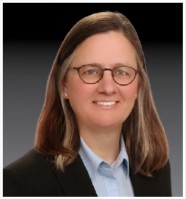
Get to know the faces and stories of the people behind the articles in each issue. This month, we invite you to meet Member Carol Grelecki and Associate Rebecca T. Falk.
In your opinion, what is the most pressing legal issue currently facing the healthcare industry?
The healthcare industry is heavily regulated. Perhaps the most pressing legal issue facing healthcare providers is the constant attention that is required to stay in compliance with the myriad rules that apply to their businesses. Many of these rules also touch on the most pressing business issues facing the healthcare industry – that is, rules that suppress revenue growth and/or increase expenses. Failure to stay in compliance exposes healthcare providers to serious risk of sanctions.
What personal qualities or skills do you think are most important for a healthcare attorney to cultivate, both professionally and personally?
A healthcare attorney should be flexible and pay attention to detail. A healthcare attorney should also be practical and a good listener. Flexibility is required because the legal and regulatory requirements for healthcare providers are constantly changing. Attention to detail is necessary because healthcare law is complex. Practicality and listening skills are also necessary because there is often more than one possible solution to a healthcare law question. Given the alternatives, a healthcare attorney needs to be able to understand the client’s objectives to achieve the solution that works best for the client.

How do you help clients balance regulatory risk with business growth?
There is (almost) always a way to achieve my clients’ objectives while minimizing legal and regulatory risks. Compliance is a tool for sustainable, durable growth. Shortcuts taken to quickly grow a business might be nice in the short term, but they often introduce unnecessary risks and set up the business for vulnerabilities in the long run. I help my clients to understand that not all risks are created equally when the focus is long term business success.
What do you enjoy most about working with healthcare clients?
Healthcare clients aren’t just building businesses—they are navigating a constantly evolving regulatory space, while making decisions that directly affect people’s lives.

On April 18, Healthcare Law Member and Vice Chair Caroline J. Patterson presented on Elder Care Law for New Jersey Physicians: Practical Guide to Diminished Capacity, Advance Directives, and Caregiver Coordination at the Medical Society of New Jersey MSNJ 2026 Annual Meeting.
On April 17, Managing Member and Healthcare Law Chair John D. Fanburg, along with Healthcare Law Member Edward Hilzenrath and Counsel Erika R. Marshall, issued a client alert entitled “New Jersey Healthcare Providers Face New Observer Training Requirements Starting April 18 – Here’s What You Need to Know”.
On April 8, Healthcare Law Member Carol Grelecki was selected by NJBIZ as a recipient of its ICON Honors Award, which recognizes long-standing business leaders in New Jersey.
On April 1, Managing Member and Healthcare Law Chair John D. Fanburg, along with Healthcare Law Member Edward Hilzenrath and Associate Vanessa Coleman, issued a client alert entitled “Governor Sherrill Signs Law Granting Independent Practice Authority for Certain Advanced Practice Nurses”.
On March 21, Managing Member and Healthcare Law Chair John D. Fanburg and Healthcare Law Member Edward Hilzenrath presented a Regulatory and Legal Update at the New Jersey State Society of Anesthesiologists (NJSSA) 66th Annual Meeting.
On March 20, Brach Eichler LLC announced that 31 attorneys were named to 2026 Edition of New Jersey Super Lawyers.
On March 10, John D. Fanburg, Managing Member and Healthcare Law Chair, was named to ROI-NJ’s Influencers Power List 2026.

Attorney Advertising: This publication is designed to provide Brach Eichler LLC clients and
contacts with information they can use to more effectively manage their businesses. The contents
of this publication are for informational purposes only. Neither this publication nor the lawyers who
authored it are rendering legal or other professional advice or opinions on specific facts or matters.
Brach Eichler LLC assumes no liability in connection with the use of this publication.

Riza I. Dagli | 973.403.3103 | rdagli@bracheichler.com
Lani M. Dornfeld, CHPC | 973.403.3136 | ldornfeld@bracheichler.com
John D. Fanburg, Chair | 973.403.3107 | jfanburg@bracheichler.com
Joseph M. Gorrell | 973.403.3112 | jgorrell@bracheichler.com
Carol Grelecki | 973.403.3140 | cgrelecki@bracheichler.com
Caroline Patterson, Vice Chair | 973.364.5233 | cpatterson@bracheichler.com
Keith J. Roberts | 973.364.5201 | kroberts@bracheichler.com
Richard B. Robins | 973.447.9663 | rrobins@bracheichler.com
Jonathan J. Walzman | 973.403.3120 | jwalzman@bracheichler.com
Edward J. Yun | 973.364.5229 | eyun@bracheichler.com
Edward Ellersick | 973.364.5205 | eellersick@bracheichler.com
Debra W. Levine | 973.403.3142 | dlevine@bracheichler.com
Erika R. Marshall | 973.364.5236 | emarshall@bracheichler.com
Tracy Miller | 973.403.3102 | tmiller@bracheichler.com
Roseland, NJ | New York, NY | West Palm Beach, FL | www.bracheichler.com | 973.228.5700
STAY CONNECTED! FOLLOW US 


