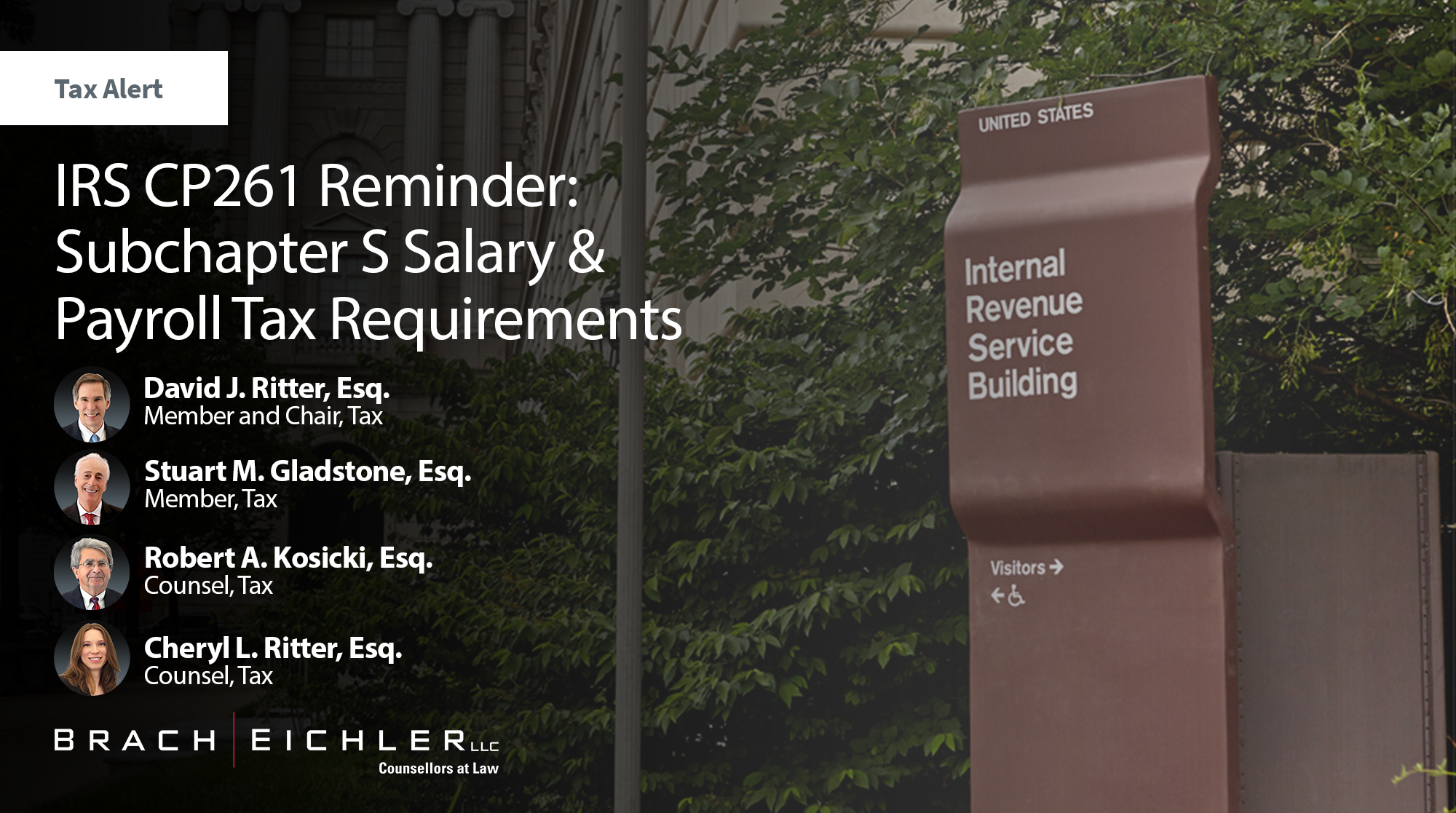
IRS CP261 Reminder: Subchapter S Salary & Payroll Tax Requirements
2/2/2026
One of the popular entity choices for individuals starting a new business, especially in the healthcare field, is the Subchapter S Corporation or S Corp. It provides personal liability protection (other than malpractice of the shareholder professional and employees under his or her supervision) and pass-through income tax treatment for owners, while allowing those owners to potentially reduce self-employment taxes through salary/distribution splits. Since salary is subject to employment taxes and distributions are not, shareholders, especially those providing services to the entity, may be tempted to underpay or pay no salary to themselves at all. Unfortunately for taxpayers, S Corps must pay “reasonable compensation,” a position that has been sustained in numerous cases which can be found on the IRS website.
Procedurally, the taxpayer affects the Subchapter S election by filing a Form 2553 with the Internal Revenue Service. The IRS will acknowledge the approval by sending the taxpayer a CP261 Notice. In late 2023 the IRS revised the notice by adding the following language on page 2 under the Keep in Mind section.
Payments to shareholder-employees for services rendered:
- You must determine a reasonable salary when a shareholder-employee of an S Corporation provides services to the corporation.
- Payments to a shareholder-employee for services provided to an S Corporation are wages and are subject to employment taxes.
- We may re-characterize distributions paid to a shareholder as if the distribution was paid in lieu of reasonable compensation (Revenue Ruling 74-44).
In addition, the Notice also touches on the need to track stock and debt basis.
If you are contemplating the formation of a new business entity or are currently an employee/owner of a Subchapter S Corporation, do not hesitate to contact David Ritter, Stuart Gladstone, Bob Kosicki or Cheryl Ritter for guidance in dealing with the nuances of the operation. The need to pay a “reasonable salary” to the owner-employee is but one.
For more information or assistance, please contact:
David J. Ritter, Esq., Member and Chair, Tax Practice, at dritter@bracheichler.com or 973-403-3117
Stuart M. Gladstone, Esq., Member, Tax Practice, at sgladstone@bracheichler.com or 973-403-3109
Robert A. Kosicki, Esq., Counsel, Tax Practice, at rkosicki@bracheichler.com or 973-403-3122
Cheryl L. Ritter, Esq., Counsel, Tax Practice, at critter@bracheichler.com or 973-364-8307

David J. Ritter
Member
Tax, Corporate Transactions & Financial Services, Trusts and Estates
973.403.3117 · 973.618.5517 Fax
dritter@bracheichler.com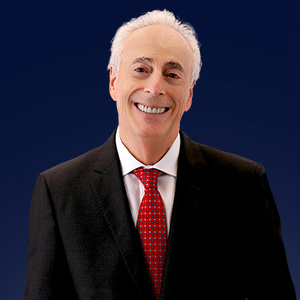
Stuart M. Gladstone
Member
Trusts and Estates, Corporate Transactions & Financial Services, Tax
973.403.3109 · 973.618.5509 Fax
sgladstone@bracheichler.com
Robert A. Kosicki
Counsel
Corporate Transactions & Financial Services, Family Law Services, Patent, Intellectual Property & IT, Tax, Trusts and Estates
973.403.3122 · 973.618.5522 Fax
rkosicki@bracheichler.com
Cheryl L. Ritter
Counsel
Tax, Trusts and Estates
973.364.8307 · 973.618.5508 Fax
critter@bracheichler.com



Related Practices: Tax
Related Attorney: Cheryl L. Ritter, David J. Ritter, Stuart M. Gladstone, Robert A. Kosicki