



On October 7, 2025, the New Jersey Office of the State Comptroller (OSC) announced that it recovered more than $132 million in New Jersey Medicaid funds in 2025, an 11% increase from 2024, through the efforts of OSC’s Medicaid Fraud Division. This represents the second-highest recovery in the past decade. Overall, OSC has recovered over $1 billion in Medicaid funds during that time. Through audits, investigations, and data reviews, OSC’s Medicaid Fraud Division identifies fraud, waste, and abuse, and works to recover improper payments. In partnership with an outside vendor, OSC also detects cases where Medicaid was incorrectly billed.
In 2025, 10 healthcare providers voluntarily disclosed having received inappropriate Medicaid payments and returned approximately $1.8 million to Medicaid. Between 2019 and 2025, OSC recovered $10.18 million from 80 providers
who self-reported improper payments. OSC encourages providers to self-report overpayments, noting that it generally leads to more favorable outcomes. OSC typically does not impose penalties when it accepts a self-disclosure.
For more information, contact:
Joseph M. Gorrell | 973.403.3112 | jgorrell@bracheichler.com
Edward J. Yun | 973.364.5229 | eyun@bracheichler.com
Vanessa Coleman | 973.364.5208 | vcoleman@bracheichler.com

On October 28, 2025, the Consumer Financial Protection Bureau (CFPB) issued an interpretive rule clarifying its position that the federal Fair Credit Reporting Act of 1970 (FCRA) broadly preempts state laws concerning credit reporting. The new rule replaces a July 2022 interpretive rule issued by the Biden Administration, which narrowly interpreted the FCRA’s preemption and suggested that states could regulate credit reporting beyond what federal law provides. The July 2022 interpretive rule prompted several states, including New Jersey, to enact laws limiting medical debt reporting, an area which is not regulated by federal law.
While interpretive rules are not legally binding, the new rule signals the federal government’s position on preemption and effectively encourages litigants to challenge state laws that restrict the content of credit reports. As a result, the New Jersey Louisa Carman Medical Debt Relief Act, which bars creditors and debt collectors from reporting most medical debt to consumer reporting agencies, may face challenges from industry groups citing the CFPB’s renewed stance.
For more information, contact:
Carol Grelecki | 973.403.3140 | cgrelecki@bracheichler.com
Jonathan J. Walzman | 973.403.3120 | jwalzman@bracheichler.com
Rebecca Falk | 973.364.8393 | rfalk@bracheichler.com

On October 29, 2025, Governor Phil Murphy announced the fifth round of New Jersey’s medical debt relief initiative in partnership with the nonprofit Undue Medical Debt. This round will eliminate $59 million in medical debt for more than 48,000 New Jersey residents. In total for all rounds, $1.3 billion in medical debt was forgiven for 780,000 people. Undue Medical Debt purchased the debt by leveraging approximately $500,000 in American Rescue Plan funds from the State’s investment in medical debt abolishment. Those that qualify for medical debt relief must have annual income which is below 400% of the federal poverty level or must have medical debts that
equal 5% or more of their annual income. Recipients are notified automatically through an Undue Medical Debt branded letter, with no application required.
For more information, contact:
Lani M. Dornfeld, CHPC | 973.403.3136 | ldornfeld@bracheichler.com
Edward J. Yun | 973.364.5229 | eyun@bracheichler.com
Cynthia J. Liba | 973.403.3106 | cliba@bracheichler.com

On October 31, 2025, the Centers for Medicare & Medicaid Services (CMS) published the calendar year (CY) 2026 Physician Fee Schedule Final Rule, which takes effect January 1, 2026. The rule updates Medicare Part B payment policies under the Physician Fee Schedule, introduces changes to quality and payment-model programs, and reflects a broader focus on efficiency, transparency and shifting modalities of care. For CY 2026, CMS will use two separate conversion factors: one for practitioners who are Qualifying Participants (QPs) in Advanced Alternative Payment Models (APMs) and another for non-QPs The final conversion factor for QPs is approximately $33.57, representing a 3.77% increase over the CY 2025 conversion factor; and the non-QP CF is approximately $33.40, representing a 3.26% increase. The final rule also includes an efficiency adjustment of -2.5% for non-time-based services, reflecting CMS’s view that certain services have become more efficient over time and thus their relative value requires adjustment.
For providers who offer telehealth services, CMS has streamlined the process for adding services to the
Medicare Telehealth Services List, eliminating the prior “provisional” versus “permanent” distinction and reducing review steps for whether a service furnished via interactive, two-way audio-video qualifies. In addition, the frequency limitations that previously applied to subsequent inpatient visits, nursing facility visits and critical care consultations delivered by telehealth have been removed. CMS has also finalized rules allowing for direct supervision via real-time audio-video (but not audio-only) for most services that previously required the supervising physician to be physically present. Further, FQHCs and rural health clinics will be permitted to bill for telehealth services through 2026.
The Final Rule also updates several policies affecting drugs and biological products covered under Medicare Part B. CMS maintained the existing refund requirements for discarded amounts of certain single-dose or single-use drugs, and adopted clarifications to how manufacturers should report pricing and service-fee information when calculating average sales price. CMS also confirmed that, beginning in 2026, prices for drugs subject to a “Maximum Fair Price” will be reflected in Medicare’s payment calculations. In addition, CMS finalized operational updates to the Medicare Prescription Drug Inflation Rebate Program aimed at strengthening price-inflation guardrails and improving data accuracy for future rebate determinations.
For more information, contact:
Caroline Patterson | 973.364.5233 | cpatterson@bracheichler.com
Jonathan J. Walzman | 973.403.3120 | jwalzman@bracheichler.com
Andrew M. Kuder | 973.403.3141 | akuder@bracheichler.com
On November 6, 2025, the Trump administration announced a landmark agreement with pharmaceutical manufacturers Eli Lilly and Novo Nordisk to provide steep discounts on their most popular GLP-1 medications, cuts that will benefit Medicare and Medicaid enrollees as well as cash-paying patients. Under the agreement, prices for drugs like Ozempic, Wegovy, Zepbound, and future GLP-1 tablets will drop to an average of $149 to $350 per month, a dramatic decline from the current cost of $500 to $1,000 or more for many U.S. patients. The agreement delivers on a key goal of the current administration’s Most-Favored-Nation (MFN) drug pricing initiative, which aims to bring U.S. prescription
drug prices in line with, or below, those paid in other developed countries. The agreement is part of a broader administration strategy to end what it describes as “global freeloading”—where Americans pay far more for drugs than consumers in other countries.

Some highlights of the deal include: injectable GLP-1s like Ozempic and Wegovy will be available via the government’s new TrumpRx purchasing platform at $350 per month, down from $1,000–$1,350 per month; if approved, oral GLP-1 tablets (like Eli Lilly’s orforglipron) will launch at around $149 per month through TrumpRx; and, for Medicare beneficiaries, drugs like Wegovy and Zepbound will be covered for obesity under certain conditions and beneficiaries will pay just $50 per month in co-pays. In addition to GLP-1 products, Eli Lilly will offer its Trulicity diabetes drug at $389 per month, and Novo Nordisk will price its insulin products (like NovoLog and Tresiba) at $35 per month.
The companies are also pledging to repatriate foreign revenues and guarantee MFN pricing on all future (and some existing) products, giving state Medicaid programs access to these lower, globally competitive drug costs. To support this effort, both companies are making significant U.S.-based investments. Novo Nordisk has committed to invest $10 billion to expand domestic production, including building capacity for a future Wegovy tablet, and Eli Lilly has committed $27 billion to U.S. manufacturing infrastructure.
For more information, contact:
John D. Fanburg, Chair | 973.403.3107 | jfanburg@bracheichler.com
Richard B. Robins | 973.447.9663 | rrobins@bracheichler.com
Andrew M. Kuder | 973.403.3141 | akuder@bracheichler.com
The U.S. Food and Drug Administration (FDA) recently announced new guidance aimed at bringing lower-cost biosimilar drugs to American patients. Biosimilar drugs are “generic versions” of biologic drugs, offering the same safety and efficacy at lower costs. Notwithstanding their efficacy and lower cost, the market share for biosimilar drugs remains below 20%, and only about 10% of biologic drugs that are expected to lose patent protection in the next decade currently have a biosimilar drug in development.

The FDA has recognized that one barrier to market entry of biosimilars is the high cost of development, which is often inflated by unnecessary comparative efficacy studies. In response, the FDA has proposed to eliminate unnecessary comparative efficacy studies and allow pharmaceutical companies to rely more heavily on improved analytical testing methods. The FDA has also recognized that the current biosimilar approval process is burdensome and has kept patients from accessing treatment and has therefore proposed to streamline the biosimilar drug development process to speed up approvals and encourage market entry. By optimizing biosimilar drug development and lowering research and development costs, the FDA hopes to encourage market competition and for patients to have expanded and less costly options.
For more information, contact:
Lani M. Dornfeld, CHPC | 973.403.3136 | ldornfeld@bracheichler.com
Jonathan J. Walzman | 973.403.3120 | jwalzman@bracheichler.com
Andrew M. Kuder | 973.403.3141 | akuder@bracheichler.com

Senate Bill No. 4816, introduced in the New Jersey State Senate on October 27, 2025, would expand the Certificate of Need exemption list with respect to maternity and neonatology services in health care facilities. A Certificate of Need is required for the construction of a healthcare facility, the expansion of a healthcare facility, or the institution of a new healthcare service. The Bill would provide exemptions from the Certificate of Need requirement for: (1) an addition of intermediate or intensive bassinets in a health care facility that provides inpatient maternity services; and (2) an increase in the level of neonatal care designation of a health care facility that provides inpatient maternity services.
Senate Bill No. 4739, introduced in the New Jersey State Senate on October 27, 2025, would make it unlawful for an individual to record a phone call or other conversation unless all parties consent. Currently, New Jersey law provides that it is unlawful for an individual to record a conversation in situations where a person has an expectation of privacy, unless the person making the recording is a party to the conversation, or one of the parties consents to the recording. Existing exceptions for law enforcement would not be affected by the Bill.
Senate Bill No. 4779, introduced in the New Jersey State Senate on October 27, 2025, would reorganize New Jersey’s cannabis oversight by abolishing the Cannabis Regulatory Commission (CRC) and transferring all regulatory powers to a new Division of State Cannabis Oversight, Regulation, and Enforcement (SCORE) within the Department of Law and Public Safety, while preserving existing licenses and regulations until replaced. The Bill would change cannabis regulatory enforcement in three ways: (1) CRC enforcement responsibility would be transferred to the SCORE Division, (2) the SCORE Division would be permitted to bring enforcement actions against unlicensed cannabis businesses; and (3) the Alcoholic Beverage Control Enforcement Bureau (ABC) in the Division of State Police would be expanded to include cannabis regulatory enforcement, and would be renamed the Bureau of Alcohol and Cannabis Enforcement (BACE).
For more information, contact:
John D. Fanburg, Chair | 973.403.3107 | jfanburg@bracheichler.com
Edward Hilzenrath, HLU Editor | 973.403.3114 | ehilzenrath@bracheichler.com
Erika R. Marshall | 973.364.5236 | emarshall@bracheichler.com
Recent polls and news articles indicate that a significant portion of the workforce is using artificial intelligence (AI) tools for work purposes. Absent organizational regulation, training and oversight, employees will use these tools as they see fit. This puts healthcare organizations at risk of breach of both protected health information and confidential business information, among other risks. Many AI tools use “generative” AI, a type of artificial intelligence designed to produce new material—such as text, images, audio, and other output—based on patterns the model has “learned” from large collections of data. The model is continuously hungry for more and more data, that is, “input.” Because generative AI models are typically built on large, shared model architecture, data provided in the form of “prompts” may be stored somewhere the organization does not control, may be processed along data provided by outsiders, is often used to “train” and “improve” the model, may be handled by multiple vendors and subprocessors, and may be retained in unexpected or unknown ways. Resultingly, a healthcare organization’s data may be at significant risk when workforce members use generative AI tools, especially without governance and oversight.

This is true even when the user believes inputted data has been de-identified. Generative AI models can piece
together rare combinations of facts, distinctive data, narrative patterns, biographical details and other input, which could result in the model being able to attach specific health and other personal information to a specific individual. Healthcare organizations can address these and other risks through a combination of:
If you would like a copy of our Compliance Checklist for Effective Management of AI in the Workplace or assistance with your organization’s privacy and security program, please contact:
Lani M. Dornfeld, CHPC | 973.403.3136 | ldornfeld@bracheichler.com
Get to know the faces and stories of the people behind the articles in each issue. This month, we invite you to meet Member Lani M. Dornfeld and Counsel Debra W. Levine.
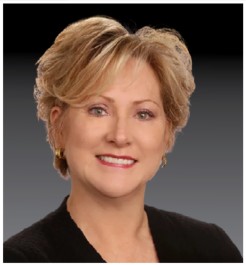
In your opinion, what is the most pressing legal issue currently facing the healthcare industry?
We have been experiencing an explosion of artificial intelligence (AI) use in healthcare, including the use of AI tools across clinical, operational and patient-facing areas. AI tools are being developed and used in such areas, by way of some examples, to support diagnosis and clinical decision making, to streamline and optimize workflow and scheduling functions, for coding and billing functions, to record and document patient encounters, and to provide instructions and educational materials to patients. While AI has the potential to transform the delivery of healthcare and provide numerous efficiencies and benefits, there are risks. These include, but are not limited to, inaccurate or false output (often referred to as “hallucinations”), the potential for misdiagnosis or treatment errors because AI outputs are not yet fully reliable; the potential for algorithmic bias which can skew output; data privacy and security risks, especially with generative AI tools; and workforce and ethical concerns, including overreliance on AI tools, loss of skills and clinical independence, and ethical considerations in AI decisions versus human decisions. We have been assisting clients in developing AI governance programs, to help identify and reduce the risks associated with AI use.
What personal qualities or skills do you think are most important for a healthcare attorney to cultivate, both professionally and personally?
Continuously staying abreast of ever-changing healthcare laws is critical to assisting our healthcare clients. But over my years of practice, first and foremost, I have cultivated my skills in ensuring I understand the client’s business and business needs so that I can better serve the client’s legal needs. Spending time conversing with clients about their business and business objectives, or personal objectives, often reduces the amount of time needed to provide legal services and helps to ensure delivery of legal advice and documents aligned with those objectives.
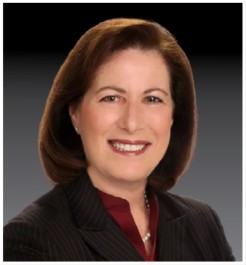
In your opinion, what is the most pressing legal issue currently facing the healthcare industry?
In my opinion the most pressing legal issue currently facing the healthcare industry is how to react and successfully adapt to rapidly changing conditions in the marketplace. When forming new health care business entities and implementing strategies for existing entities, it is challenging to balance government compliance issues and payor requirements while maintaining growth and productivity.
What personal qualities or skills do you think are most important for a healthcare attorney to cultivate, both professionally and personally?
A skill that is important for a health care attorney is keeping abreast of the evolving market place conditions and regulatory changes. Equally important is being able to ascertain a client’s goals and communicating effectively to all parties in guiding them to reach those goals.

On November 22, Managing Member and Healthcare Law Chair John D. Fanburg spoke at The NJ Society of Pathologists 75th Slide Seminar and Annual Meeting and on November 18 at The Radiological Society of New Jersey.
On November 20, Healthcare Law Associate Rebecca Falk presented at JBar “Bias Against Women in Law” event.
On November 15, Managing Member and Healthcare Law Chair John D. Fanburg gave a legal and legislative report at the New Jersey Obstetrical & Gynecological Society.
On November 12, Healthcare Law Vice Chair Caroline Patterson and Member Edward Hilzenrath presented at The Pennsylvania Medical Society and Pennsylvania Bar Association on the topics of “Evolving Landscape of Medical Practice Sales: Trends, Legal Considerations, & Physician Perspectives,” “Implications of AI in Healthcare,” and “Physician Employment Contracts.”
On November 12, Healthcare Law Member Lani Dornfeld opined in a Cybernews.com article entitled “Clinic calls police after woman refuses to allow AI to take notes” about the need for patients to be their own healthcare advocates.
On November 10, Healthcare Law Member Lani Dornfeld presented “Effective Strategies for Managing AI in the Workplace” at the AmLaw General Counsel Conference East 2025. This roundtable explored how corporate counsel can balance innovation with compliance by addressing challenges related to workforce adoption, data privacy, intellectual property, and bias mitigation.

Attorney Advertising: This publication is designed to provide Brach Eichler LLC clients and
contacts with information they can use to more effectively manage their businesses. The contents
of this publication are for informational purposes only. Neither this publication nor the lawyers who
authored it are rendering legal or other professional advice or opinions on specific facts or matters.
Brach Eichler LLC assumes no liability in connection with the use of this publication.

Riza I. Dagli | 973.403.3103 | rdagli@bracheichler.com
Lani M. Dornfeld, CHPC | 973.403.3136 | ldornfeld@bracheichler.com
John D. Fanburg, Chair | 973.403.3107 | jfanburg@bracheichler.com
Joseph A. Ferino | 973.364.8351 | jferino@bracheichler.com
Joseph M. Gorrell | 973.403.3112 | jgorrell@bracheichler.com
Carol Grelecki | 973.403.3140 | cgrelecki@bracheichler.com
Caroline Patterson, Vice Chair | 973.364.5233 | cpatterson@bracheichler.com
Keith J. Roberts | 973.364.5201 | kroberts@bracheichler.com
Richard B. Robins | 973.447.9663 | rrobins@bracheichler.com
Jonathan J. Walzman | 973.403.3120 | jwalzman@bracheichler.com
Edward J. Yun | 973.364.5229 | eyun@bracheichler.com
Edward Ellersick | 973.364.5205 | eellersick@bracheichler.com
Debra W. Levine | 973.403.3142 | dlevine@bracheichler.com
Erika R. Marshall | 973.364.5236 | emarshall@bracheichler.com
Tracy Miller | 973.403.3102 | tmiller@bracheichler.com
Rebecca T. Falk | 973.364.8393 | rfalk@bracheichler.com
Roseland, NJ | New York, NY | West Palm Beach, FL | www.bracheichler.com | 973.228.5700
STAY CONNECTED! FOLLOW US 


