



On January 16, 2026, then Governor Phil Murphy signed Executive Order No. 415, formally terminating several long-standing states of emergency in New Jersey, including the COVID-19 State of Emergency, which was originally declared in Executive Order No. 103 in March 2020. Effective as of February 16, 2026, at 5:00 p.m., the flexibilities that certain healthcare providers were granted in 2020, such as the ability of advanced practice nurses (APNs) to practice independently without joint protocols with a collaborating physician, will be rescinded. Healthcare providers and facilities should ensure full compliance with scope of practice, supervision, and collaborative practice requirements that were previously not enforced during the State of Emergency. In particular, providers and facilities should be aware of the following:
1. The temporary waiver that permitted APNs to prescribe or order medications and devices without a joint protocol with a collaborating physician will expire. APNs must return to full compliance with the statutory requirements for practice, including maintaining a joint protocol with a collaborating physician for prescriptive authority.
2. The temporary waiver that permitted Physician Assistants (PAs) to practice without a delegation agreement and physician supervision will expire. PAs must return to full compliance with the statutory requirements for practice, including maintaining a delegation agreement with a supervising physician.
3. Providers practicing in New Jersey under a temporary or foreign license will need to transition to a full New Jersey license in order to continue practicing.
Coinciding with the Executive Order, Senate Bill 2996 was introduced in the New Jersey Senate on January 13, 2026, to expand the scope of practice for APNs. If passed, the Bill would represent a major shift in healthcare regulation, allowing certain experienced APNs to practice independently of a collaborating physician. In particular, the Bill would permit APNs who have completed 24 months or 2,400 hours of licensed, active, advanced nursing practice to practice without a joint protocol with a collaborating physician. In addition, APNs-Anesthesia who have completed 24 months or 2,400 hours of licensed, active, advanced nursing practice would be authorized to practice without any requirement for supervision by a physician and without any requirement that the APN-Anesthesia enter into joint protocols with a physician.
For more information, contact:
John D. Fanburg | 973.364.5201 | kroberts@bracheichler.com
Edward Hilzenrath, HLU Editor | 973.403.3114 | ehilzenrath@bracheichler.com
Rebecca Falk | 973.364.8393 | rfalk@bracheichler.com
All New Jersey employers, regardless of staff size, must now promptly report on-line certain information to the New Jersey Department of Labor and Workforce Development whenever an employee is separated from employment.

To satisfy this reporting requirement, employers must register with the State’s new online Employer Response
Portal at www.nj.gov/labor/ea/employer-services/registerupdate/employeraccess.shtml. For every employment separation (regardless of reason, including layoffs, resignations, terminations, or retirements), employers must report the separation through the Portal within seven days. The reporting obligation applies even before an employee files a claim for unemployment insurance benefits and regardless whether the employer anticipates the employee will file a claim. Information regarding the termination, including date and reason, must be submitted via the Portal.
This new on-line reporting requirement is in addition to an employer’s existing legal obligation to provide a separated employee with a completed Form BC-10 immediately upon separation. Form BC-10 includes instructions on how to apply for unemployment benefits. Employers may access the form template at nj.gov/labor/forms_pdfs/ui/BC10.pdf.
An employer that fails to register for the Portal or to timely submit required employee separation information may be subject to penalties. The NJ Division of Unemployment Insurance may impose fines of $500 for each willful failure to provide the required reports and information or twenty-five percent of the amount of unemployment benefits that an employee would have received but for the employer’s failure to comply with these requirements.
The on-line reporting obligations went into effect on December 8, 2025. Employers should have in place compliant procedures about processing employment terminations and should ensure that they have registered with the Portal. Employers should be mindful of how they describe the reason for the termination, particularly when
the termination was not voluntary. Also, in connection with employment terminations, employers should have in place notification procedures about a departing employee’s COBRA or mini-COBRA rights and any rights the individual may have to convert group life insurance to individual coverage.
Because of the potential risks and liability, any employer with questions regarding its reporting obligations should seek legal counsel.
For more information, contact:
Jay Sabin | 973.596.8987 | jsabin@bracheichler.com
Sarah A. Gober | 973.364.8375 | sgober@bracheichler.com

The Centers for Disease Control and Prevention’s (CDC) reversal on vaccine guidance has jolted New Jersey’s policy landscape, prompting swift legislative attention. Last month, the CDC reversed its prior decades-long recommendation that all newborns get hepatitis B vaccines at birth. In response, New Jersey lawmakers adopted legislation that gives state health officials, instead of the federal government, the final word on immunization schedules and recommendations, with the goal being to eliminate any confusion regarding the CDC’s changing recommendations.
A new State law gives the New Jersey Department of Health (DOH) the authority to rely on expert recommendations beyond the CDC’s vaccine panel to determine which vaccines are recommended, and requires health insurers to cover the full cost of vaccines recommended by the DOH. Under prior New Jersey law, health insurers were only required to cover immunizations that have a recommendation from the CDC’s vaccine panel.
For more information, contact:
Keith J. Roberts | 973.364.5201 | kroberts@bracheichler.com
Shannon Carroll | 973.403.3126 | scarroll@bracheichler.com
Paul J. DeMartino, Jr. | 973.364.5228 | pdemartino@bracheichler.com

On January 2, 2026, then Governor Phil Murphy announced a sixth round of Statewide medical debt relief. Through a continued partnership with the national nonprofit Undue Medical Debt, Governor Murphy revealed that more than 53,000 New Jersey residents will see over $86 million in previously owed medical bills abolished. This latest round of medical debt relief contributes to a total of nearly $1.4 billion in medical debt eliminated for more than 828,000 residents, leveraging approximately $600,000 in American Rescue Plan funds to purchase and erase qualifying debt portfolios rather than pursue collection.
Under the medical debt relief initiative, medical debt relief eligibility is automatic for qualifying individuals (those at or below 400% of the federal poverty level or whose debt exceeds 5% of their income), with impacted residents notified directly by mail, eliminating the need for a formal application process. These steps reflect New Jersey’s broader strategy to mitigate medical debt’s impact on health outcomes and protect patient access
to timely care. The medical debt relief initiative builds on broader health policy reforms in the state aimed at reducing barriers to care and financial strain on patients. These efforts include prohibiting most medical debt from appearing on credit reports under the Louisa Carman Medical Debt Relief Act and advancing policies on prescription drug affordability and transparency in the pharmaceutical supply chain.
For more information, contact:
Carol Grelecki | 973.403.3140 | cgrelecki@bracheichler.com
Edward Hilzenrath, HLU Editor | 973.403.3114 | ehilzenrath@bracheichler.com
Andrew M. Kuder | 973.403.3141 | akuder@bracheichler.com
On December 10, 2025, the New Jersey Office of the State Comptroller (OSC) released a report summarizing its findings from a Medicaid fraud investigation involving two New Jersey nursing homes. The OSC concluded that the nursing home owners diverted approximately $92 million in Medicaid funds to related private entities (companies the owners or their relatives owned and controlled) through improper contracts, inflated rents, and complex real-estate arrangements. The investigation found that the facilities were chronically understaffed, two residents were sexually assaulted, one resident died, and there were thousands of 911 calls.

State and federal law limit how much related parties to a nursing home may be paid and require certain disclosures due to the high risk of self-dealings when related parties are involved. However, the nursing home owners intentionally hid such related party transactions
and reported to the state and federal governments that they had paid related private entities 1% of the amount that was actually paid.
In the report, OSC recommended the nursing home owners, their family, and related businesses repay approximately $124 million plus penalties. Additionally OSC called for legislative action to strengthen financial transparency and oversight of nursing homes.
For more information, contact:
Riza I. Dagli | 973.403.3103 | rdagli@bracheichler.com
Edward J. Yun | 973.364.5229 | eyun@bracheichler.com
Cynthia J. Liba | 973.403.3106 | cliba@bracheichler.com

On December 30, 2025, the Centers for Medicare & Medicaid Services (CMS) issued its annual State Health Official (SHO) letter providing 2027 updates to the Core Set of Children’s Health Care Quality Measures for Medicaid and the Children’s Health Insurance Program (CHIP) and the Core Set of Adult Health Care Quality Measures for Medicaid. Among the matters addressed in the SHO letter, CMS announced that it will no longer require states to report immunization status for children and adolescents, provided that states may voluntarily continue reporting immunization status data, which CMS will use to develop and explore alternative immunization quality measures.
The SHO letter clarifies that states have flexibility and discretion to use quality measures, such as immunization status, in state developed value-based purchasing and payment incentive fee for service or managed care programs. However, CMS discourages states from
tying fee for service and managed care reimbursement to performance on immunization quality measures. According to the SHO letter, CMS is committed to developing new vaccine measures to capture information about whether parents and families are informed about vaccine choices, vaccine safety and side effects, and alternative vaccine schedules, and CMS intends to work with industry stakeholders to make this possible. Shortly after the SHO letter was issued, the Centers for Disease Control and Prevention updated the standard childhood vaccine schedule to remove several immunizations from the recommended list for children who are otherwise healthy, further emphasizing the shift in public health policy.
For more information, contact:
Caroline Patterson | 973.364.5233 | cpatterson@bracheichler.com
Jonathan J. Walzman | 973.403.3120 | jwalzman@bracheichler.com
Rebecca Falk | 973.364.8393 | rfalk@bracheichler.com
On December 23, 2025, the Centers for Medicare & Medicare Services (CMS) announced an initiative to expand access to GLP-1 medications to Medicare and Medicaid beneficiaries by creating a voluntary test-model that Medicare Part D and Medicaid plans can use for GLP-1 coverage. The model, called the Better Approaches to Lifestyle and Nutrition for Comprehensive hEalth (BALANCE), will allow CMS to negotiate directly with pharmaceutical manufacturers to obtain GLP-1 drugs for a lower net price and standardized coverage criteria. The BALANCE model will also include lifestyle support programs, including education, for patients using GLP-1 drugs. Participation in the model is voluntary for pharmaceutical manufacturers, Part D plans and

state Medicaid agencies, and applications for participation were due January 8, 2026. The BALANCE model is expected to launch in May 2026 for state Medicaid agencies and January 2027 for Medicare Part D plans.
For more information, contact:
Joseph M. Gorrell | 973.403.3112 | jgorrell@bracheichler.com
Jonathan J. Walzman | 973.403.3120 | jwalzman@bracheichler.com
Rebecca Falk | 973.364.8393 | rfalk@bracheichler.com
On December 30, 2025, the U.S. Department of Health and Human Services Office of Inspector General (OIG) issued an unfavorable advisory opinion for a home health agency seeking to offer sign-on bonuses to prospective caretakers who would provide in-home support services reimbursed under the Medicaid Program. Eligible Medicaid beneficiaries select caretakers, usually family members, to furnish personal care, homemaker services, and certain health maintenance activities. The agency would market the sign-on bonus to these prospective caretakers.
The OIG concluded that the proposed arrangement would constitute a prohibited offer of remuneration under both the federal Anti-Kickback Statute (AKS) and the Beneficiary Inducements Civil Monetary Penalty (CMP), thereby subjecting the agency to potential sanctions. The OIG found that, although sign-on bonuses pose low risk for fraud and abuse in other contexts, the proposed arrangement would violate the AKS because the employment offer would be inextricably linked to referring Medicaid beneficiaries to the agency, effectively incentivizing selection of the agency as employer and provider.
Additionally, advertising the sign-on bonus as a lump sum would create a risk that prospective caretakers would view it as an upfront payment, potentially steering and influencing both employment and Medicaid service selection. The proposed arrangement also raised concerns about unfair competition and quality as home health agencies could be driven to offer escalating bonuses and divert resources away from care in order to compete. The OIG also concluded that the CMP would be implicated because offering a sign-on bonus to a prospective caretaker positioned to select a home health agency for a family member would likely influence their choice.
For these reasons, the OIG found that the proposed arrangement posed a significant risk of fraud and abuse and issued an unfavorable advisory opinion.
For more information, contact:
John D. Fanburg, Chair | 973.403.3107 | jfanburg@bracheichler.com
Richard B. Robins | 973.447.9663 | rrobins@bracheichler.com
Vanessa Coleman | 973.364.5208 | vcoleman@bracheichler.com

On January 20, 2026, former New Jersey Governor Phil Murphy signed into law Senate Bill No. 5015, which imposes a cap on the uniform gross receipts assessment applicable to ambulatory care facilities (ACFs), including ambulatory surgery centers. Specifically, effective on the first day of the third quarter of Fiscal Year 2026 (i.e., January 1, 2026), the uniform gross receipts assessment will be subject to an annual cap of $2 million per ACF.
On January 9, 2026, then New Jersey Governor Phil Murphy signed into law the New Jersey Menopause Coverage Act. The Act requires health insurance coverage for medically necessary treatments for perimenopause and menopause across a wide range of plan types. Covered services include hormonal and non-hormonal therapies, behavioral health care, pelvic floor physical therapy, bone health screenings and medications, counseling and education regarding treatment.
On January 9, 2026, former New Jersey Governor Phil Murphy signed into law Assembly Bill 4328, which enacts and enters New Jersey into the Interstate Physician
Assistant Licensure Compact. The Compact enables physician assistant license portability, streamlines practices across states, and improves access to medical services while maintaining patient safety. The Compact allows physician assistants with a qualified license from one participating state to practice in other participating states via a “compact privilege”, while allowing each state’s licensing board to discipline and restrict practice as needed. There are currently 20 states that have now entered into the Compact.
Assembly Bill No. 6309, introduced in the New Jersey Assembly on January 2, 2026, would limit when government entities and health care facilities can ask for or collect certain personal information, allowing collection only when truly needed to deliver a requested service or benefit.
The Bill would ban government entities and licensed health care facilities from asking for a patient’s immigration status, citizenship, place of birth, Social Security number, or ITIN unless it is necessary to check eligibility for a public service, program, or benefit, and it requires facilities to keep any such data only as long as needed or as the law requires. Any information collected for that limited purpose would be treated as confidential (not available under OPRA) and could be disclosed only if required by law or court process, or if the patient gives written consent that clearly identifies, in the patient’s language of choice, the information to be disclosed, and confirms consent is voluntary and revocable.
On January 5, 2025, the New Jersey Department of Health proposed new rules to permit comprehensive personal care homes (CPCH) to choose “deemed status,” meaning they can use inspections by a Department-recognized accrediting organization instead of routine state inspections by Department staff. If a CPCH opts in, it would need to submit a recent accreditation report (from within the past two years) and any remediation plan, and then provide updated documents every two years to keep that status. The Department would grant, deny, or modify a CPCH’s deemed status. The Department would still be able to inspect any facility at any time—for example, to investigate complaints—even if the facility has deemed status. Comments to the proposed rule are due by March 6, 2026.
On January 5, 2026, the New Jersey Department of Health proposed deleting a regulation that requires nephrologist to be physically present for a patient’s first inpatient dialysis in a hospital setting. The deletion of this requirement would make hospital rules consistent with outpatient dialysis centers in the State, which already do not require a nephrologist to be present at a patient’s first treatment. A nephrologist would still need to be present when emergency dialysis is administered to a patient with a life-threatening situation. Comments to the proposed changes are due by March 6, 2026.
On January 5, 2026, the New Jersey Department of Health and Health Care Administration Board adopted new rules which stop hospitals from charging fees for copies of medical records when the patient is applying for or receiving Social Security disability benefits (SSI or SSDI). Hospitals may create internal procedures to confirm a patient’s disability-benefit status, but anyone who was eligible and charged by mistake should be able to get a refund after showing documentation. The Department also said that people who were improperly charged on or after March 1, 2020—the effective date of the underlying statute requiring these fee waivers—should be able to seek refunds.
On December 15, 2025, the New Jersey Department of Health adopted new rules to regulate facilities that store human eggs and embryos, including reproductive laboratories, in-vitro fertilization clinics, and reproductive medicine practices. These facilities are now required to be licensed by the Department and comply with the new Department regulations. Key requirements include:
• Maintain accreditation by either the College of American Pathologists’ Reproductive Accreditation Program or the Joint Commission on Accreditation of Healthcare Organizations’ Laboratory or Office-Based Surgery Accreditation Programs;
• Comply with operational standards for the physical premises to prevent unauthorized access to the areas where reproductive tissue is stored;
• Maintain written policies to track reproductive tissue from the point of receipt or accession to the transfer to the intended recipient or other disposition; and
• Maintain written policies concerning disposition of stored reproductive tissue in the event the facility cannot communicate with the intended recipient, the tissue becomes nonviable for reproductive purposes, or the inability of all individuals having a legal interest in the reproductive tissue to agree on disposition.
Existing facilities were required to notify the Department of their intent to apply for a license by January 15, 2026, and must submit an application by February 13, 2026. Accredited facilities that meet the initial notice deadline will receive provisional licensure, allowing them to remain open while their applications are processed.
For more information, contact:
John D. Fanburg, Chair | 973.403.3107 | jfanburg@bracheichler.com
Edward Hilzenrath, HLU Editor | 973.403.3114 | ehilzenrath@bracheichler.com
Erika R. Marshall | 973.364.5236 | emarshall@bracheichler.com

On January 8, 2026, the U.S. Department of Health and Human Services, Office for Civil Rights (OCR), published its January 2026 OCR Cybersecurity Newsletter on the topic of system hardening and protecting electronic protected health information, or ePHI.
“System hardening is the process of customizing electronic information systems (e.g., computer systems and other electronic devices) to reduce their attack surface [the collection of potential opportunities for an unauthorized user to gain access to a system or network], thus reducing the number of weaknesses and vulnerabilities that an attacker can exploit. This customization can take various forms, but
typically includes a combination of patching known vulnerabilities, removing or disabling unneeded software and services, and enabling and configuring security measures.”
In the newsletter, the OCR emphasized the need to patch known vulnerabilities. This means applying software updates, or “patches,” released by vendors to fix identified security flaws in applications, operating systems, or firmware. This proactive process closes security holes before hackers can exploit them to gain unauthorized access, steal data or deploy malware. The OCR advised that organizations must have an up-to-date IT asset inventory in order to assist in understanding the organization’s IT environment and to identify information systems to be “hardened.”
The OCR also emphasized the need to remove or disable unneeded software and services as an important part of system hardening and reducing a system’s attack surface. “These actions can also help reduce risk in instances where vulnerabilities are identified in software but cannot be patched. However, care should be taken when removing or disabling software to ensure that there are not unintended consequences as a result, such as adversely affecting the system’s stability, performance, or security posture. If possible, one should test what effect removing or disabling software has on a system’s operation in a development or test environment before performing such actions on production systems.”
Finally, the OCR advised that “another aspect of system hardening involves ensuring security measures are installed, enabled, and properly configured. This can involve enabling and configuring security measures already included as part of a device, operating system, or software as well as installing and configuring third-party security solutions such as, for example, anti-malware, endpoint detection and response (EDR), or security information and event management solutions (SIEM).”
The OCR cautioned that identifying, creating and applying system hardening is not a “once and done” exercise, but must be part of an organization’s ongoing evaluation and management of its IT assets and protection of ePHI.
For assistance with your organization’s privacy and security program and policies, contact:
Lani M. Dornfeld, CHPC | 973.403.3136 | ldornfeld@bracheichler.com
Get to know the faces and stories of the people behind the articles in each issue. This month, we invite you to meet Managing Member & Chair John D. Fanburg and Member Riza I. Dagli.

In your opinion, what is the most pressing legal issue currently facing the healthcare industry?
In my experience, the impact of private equity on physician practice and the patient experience is currently one of the most pressing legal challenges facing the healthcare industry today.
What personal qualities or skills do you think are most important for a healthcare attorney to cultivate, both professionally and personally?
In order to be a successful healthcare attorney, I feel it is important that an attorney take the time to really understand the business of healthcare and be a good listener both professionally, and personally.
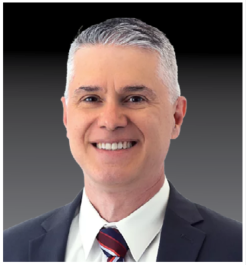
In your opinion, what is the most pressing legal issue currently facing the healthcare industry?
I think the healthcare industry should be mindful that 2025 was a record year in the history of the United States Department of Justice in terms of settlements and judgements under the False Claims Act. The DOJ will continue to be aggressive in terms of investigations and the use of AI and data mining. Providers of healthcare services should ensure that their records are complete and accurate, and that their policies and procedures are reviewed periodically to catch errors. Even if there is no fraud or abuse, missing documents and notes could result in significant recoupment by Medicare or Medicaid under a theory of extrapolation.
What personal qualities or skills do you think are most important for a healthcare attorney to cultivate, both professionally and personally?
Integrity and professionalism are the most important qualities to maintain as a lawyer, both professionally and personally. Advocating for your client will require not only knowledge of the law, but interacting with adversaries, the government, the courts, the client’s employees, etc. If you develop a reputation for good character and honesty, those interactions will be smoother and more productive, ultimately helping your client.

Register Now! for the 2-part webinar series on “Effective Strategies for Managing AI in the Workplace.”
On January 20, 2026, Healthcare Law Member Lani Dornfeld and Labor & Employment Member Jay Sabin, co-presented “Effective Strategies for Managing AI In The Workplace.” The in-person event sought to help business owners and leaders at small and mid-size companies better understand the issues and implications of AI in the workplace.
On January 4, 2026, Healthcare Law Associate Rebecca Falk presented at the Jewish Orthodox Women’s Medical Association (JOWMA) and lead a discussion about “Effective Strategies for Negotiating Physician Employment Contracts and What to Look Out For.”
On December 23, 2025, Litigation Chair and Healthcare Law Member Keith Roberts and Brach Eichler’s attorneys teamed up with our partners at RWJBarnabas Health and Saint James Health for a community coat drive at East Side High School in Newark, distributing nearly 1,000 coats, along with toys, food, and cold-weather essentials to families in need across Essex, Union, Hudson, and Monmouth counties.
On December 18, 2025, Healthcare Law Member Lani Dornfeld and Labor & Employment Member Jay Sabin issued a client alert entitled “AI Transcription Bots: The Legal Risks and the Need for Organizational AI Policies.”
On December 17, 2025, Healthcare Law Member Lani Dornfeld was featured in Healthcare IT Today in an article entitled “Key Data Management Efforts to Ensure Your Organization is Ready for AI Solutions” focusing on Data Governance and AI Readiness.
On December 9, 2025, Managing Member and Healthcare Law Chair John D. Fanburg gave a “Legal and Legislative Update” at the NJAASC Quarterly Membership Meeting. Additionally, Litigation Chair and Healthcare Law Member Keith Roberts provided a “No Fault Fee Schedule Update.”

Attorney Advertising: This publication is designed to provide Brach Eichler LLC clients and
contacts with information they can use to more effectively manage their businesses. The contents
of this publication are for informational purposes only. Neither this publication nor the lawyers who
authored it are rendering legal or other professional advice or opinions on specific facts or matters.
Brach Eichler LLC assumes no liability in connection with the use of this publication.

Riza I. Dagli | 973.403.3103 | rdagli@bracheichler.com
Lani M. Dornfeld, CHPC | 973.403.3136 | ldornfeld@bracheichler.com
John D. Fanburg, Chair | 973.403.3107 | jfanburg@bracheichler.com
Joseph A. Ferino | 973.364.8351 | jferino@bracheichler.com
Joseph M. Gorrell | 973.403.3112 | jgorrell@bracheichler.com
Carol Grelecki | 973.403.3140 | cgrelecki@bracheichler.com
Caroline Patterson, Vice Chair | 973.364.5233 | cpatterson@bracheichler.com
Keith J. Roberts | 973.364.5201 | kroberts@bracheichler.com
Richard B. Robins | 973.447.9663 | rrobins@bracheichler.com
Jonathan J. Walzman | 973.403.3120 | jwalzman@bracheichler.com
Edward J. Yun | 973.364.5229 | eyun@bracheichler.com
Edward Ellersick | 973.364.5205 | eellersick@bracheichler.com
Debra W. Levine | 973.403.3142 | dlevine@bracheichler.com
Erika R. Marshall | 973.364.5236 | emarshall@bracheichler.com
Tracy Miller | 973.403.3102 | tmiller@bracheichler.com
Rebecca T. Falk | 973.364.8393 | rfalk@bracheichler.com
Roseland, NJ | New York, NY | West Palm Beach, FL | www.bracheichler.com | 973.228.5700
STAY CONNECTED! FOLLOW US 


